🍯 Why Honey Never Spoils – The Science Behind Nature’s Most Enduring Food
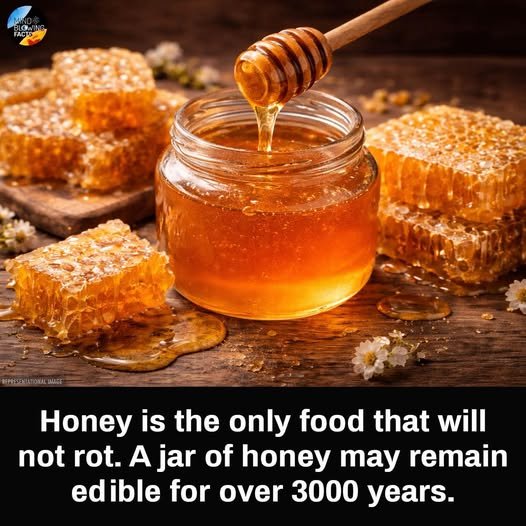
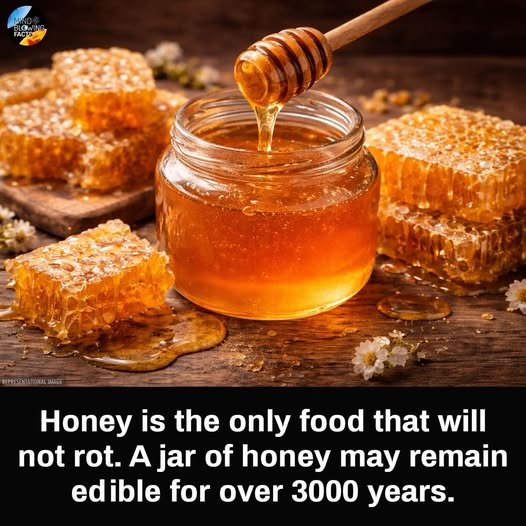
Honey is often called nature’s most enduring food—and for good reason. Archaeologists have discovered sealed jars of honey in ancient Egyptian tombs that remained preserved and edible after thousands of years. This extraordinary longevity has made honey not only a staple sweetener but also a traditional remedy valued across civilizations.
However, this near-mythical shelf life applies primarily to raw, unfiltered honey. Many commercially available honey products are pasteurized, a process that can reduce or destroy some of the natural enzymes and beneficial compounds. In its raw form, honey retains the unique properties that made it highly prized by ancient healers, particularly for its use in wound care.
🔬 The Science Behind Honey’s Longevity
Honey’s resistance to spoilage is not accidental—it is the result of a powerful combination of natural factors:
Low Moisture Content
Bees reduce the water content in nectar to very low levels during the honey-making process. This lack of moisture makes it difficult for bacteria and microorganisms to grow.
Hygroscopic Nature
Honey is hygroscopic, meaning it naturally absorbs moisture from its environment. This property helps dehydrate and inhibit invading microbes, preventing spoilage.
Natural Acidity
Honey has a naturally low pH (acidic environment), which creates unfavorable conditions for most bacteria and pathogens.
Enzymatic Activity
Bees add an enzyme called glucose oxidase to honey. This enzyme helps produce small amounts of hydrogen peroxide, contributing to honey’s natural antibacterial properties.
🧠 Why It Matters
These combined characteristics create an environment where spoilage organisms simply cannot survive. That’s why raw honey can remain stable—and safe to consume—for incredibly long periods when stored properly.
⭐ Final Thoughts
Honey is more than just a natural sweetener—it’s a remarkable example of nature’s chemistry at work. From ancient tombs to modern kitchens, its ability to resist spoilage continues to fascinate scientists and consumers alike.